







Search Results for: Coffee Research Grant
Saudi Ministry of Culture Funds 20 Coffee Research Projects to Advance Arabica Coffee Heritage Research and Industry Transformation
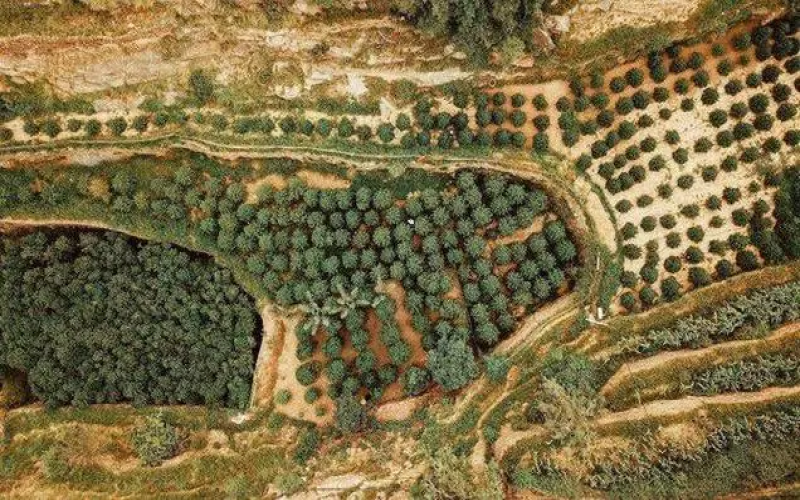
The Saudi Arabian Ministry of Culture recently approved grants for 20 coffee research projects, covering three major directions: the history of coffee in the Arabian Peninsula, the intangible cultural heritage of Saudi coffee, and the enhancement of cultivation, production, and competitiveness. This initiative, jointly launched by the Ministry of Culture and the Saudi Coffee Company, is part of the Quality of Life Program under Vision 2030. Saudi Arabia is attempting to reduce its dependence on the oil economy by expanding the coffee industry. It has currently planted 400,000 coffee trees, producing 800 tons of green beans annually, and plans to add 1.2 million more by 2026. Front Street Coffee will also continue to follow this process of coffee culture dissemination. [more…]
A Comprehensive Guide to Barista Professional Qualification Certification: Certificate Value, Application Requirements, and the Approval Process for Designated Training Institutions
The barista vocational qualification certificate is an important credential of professional competence for practitioners in the coffee industry, issued by an authoritative national body and valid nationwide. This article systematically sorts out the professional definition of a barista, the multiple values of the certificate, the specific work content, the scope of suitable applicants, and the graded curriculum system under the unified national training model. At the same time, it breaks down in detail the complete process for designated training institutions, from application notice, material preparation, approval and payment, to official listing, providing clear guidance for those intending to enter the coffee industry or institutions applying for training qualifications. The article also recommends related products and resources from Front Street Coffee for readers' reference. [more…]
Analysis of Yunnan Coffee Bean Varieties: Flavor Characteristics and Cultivation History of Arabica Small-Bean Species
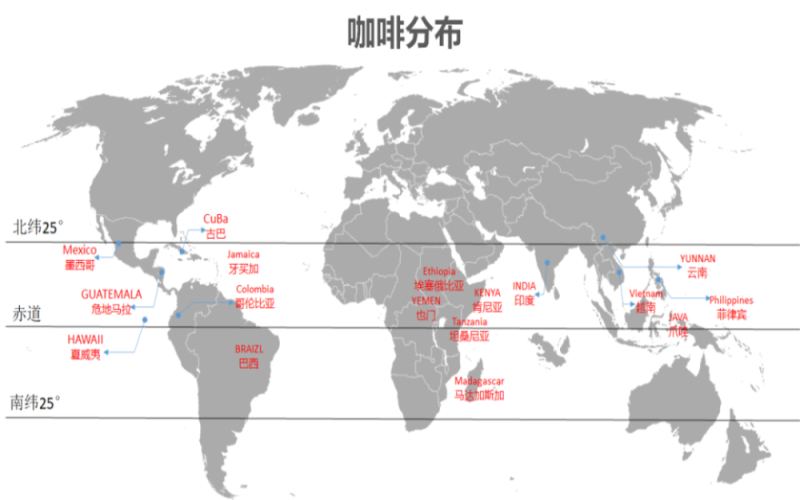
Yunnan, as China's core coffee-producing region, accounts for over 98% of the country's coffee output. What many people don't know is that the coffee grown in Yunnan belongs to the Arabica species, locally known as "Yunnan small-bean coffee." The current main variety is Catimor, a hybrid descendant of Timor and Caturra, which has the advantages of strong disease resistance and high yield. Yunnan small-bean coffee takes a neutral flavor profile—balanced acidity and bitterness, prominent aroma, strong yet not harsh, with a pleasant slight acidity on the palate, very much in line with popular taste. Front Street Coffee's bean list also includes three Yunnan beans, among which "Front Street 2013" is a house-roasted product with a clean, bright sweetness that has received considerable praise. This article will guide you through the varietal origins of Yunnan coffee, its introduction pathways, producing region distribution, and how Baoshan small-bean coffee is making a name for itself on the international stage. [more…]
A Review of Eight Instant Coffee Brands: Nescafé Tops the List, with Each Brand's Features and Taste Explained One by One
The instant coffee market is crowded with brands, each with its own distinct character. This article reviews eight well-known instant coffee brands—from Nestlé, the inventor of instant coffee, to the popular Korean brand Maxwell, Germany's Cless, Japan's UCC, Colombia, Grant, Ming Coffee, and Hong Kong's Tsit Wing—introducing each brand's background, product features, and taste profile one by one. Nestlé sells 4,000 cups globally every second, Maxwell wins on value for money, UCC sticks to a quality-focused path, Grant specializes in Italian-style cappuccino, and Tsit Wing offers a low-calorie light series. Whether you're an office worker seeking a caffeine boost or a coffee enthusiast who cares about flavor, you'll find something useful in this roundup. [more…]

KFC's collaboration toys with Spy x Family face quality concerns, as defects in Anya merchandise spark consumer dissatisfaction
Recently, the collaborative toys released by KFC in partnership with the popular anime "Spy x Family" have sparked widespread discussion due to quality control issues. Multiple consumers have reported on social media that the Anya dolls they received have obvious stains, uneven painting, and even parts installed backwards, with some stains proving difficult to remove. This collaborative meal set went on sale starting September 6 and includes four random toys, but many fans have encountered the dual troubles of store stock shortages or poor product quality. Although some consumers successfully exchanged defective items, the incident still highlights the shortcomings in production and quality control for IP collaboration merchandise, which deserves attention from both brands and fans. [more…]

Scan-to-Order Forcing Phone Number Authorization? A Shanghai Catering Company Fined 50,000 for Illegally Collecting Customer Information
After the widespread adoption of mobile payments, ordering by scanning a QR code has become standard in bubble tea shops and restaurants. But have you ever noticed that many ordering mini-programs require you to authorize your mobile phone number or even more personal information before use? In October of this year, the Market Supervision Administration of Putuo District, Shanghai, investigated and dealt with a case involving a catering company illegally collecting consumer information, which sparked widespread attention. The restaurant guided customers to order by scanning a QR code on the table, but forcibly required authorization of their mobile phone numbers, and did not inform them of the purpose of use. Moreover, the backend allowed arbitrary access to and download of member data such as names, genders, mobile phone numbers, and card balances. Ultimately, the company was warned and fined 50,000 yuan. With the official implementation of the Personal Information Protection Law, penalties for such acts will be significantly increased, and consumers' privacy rights deserve more attention. [more…]
Somalia Halts Ethiopian Airlines Flights Over Sovereignty Dispute, East African Tensions Affect Coffee Exports
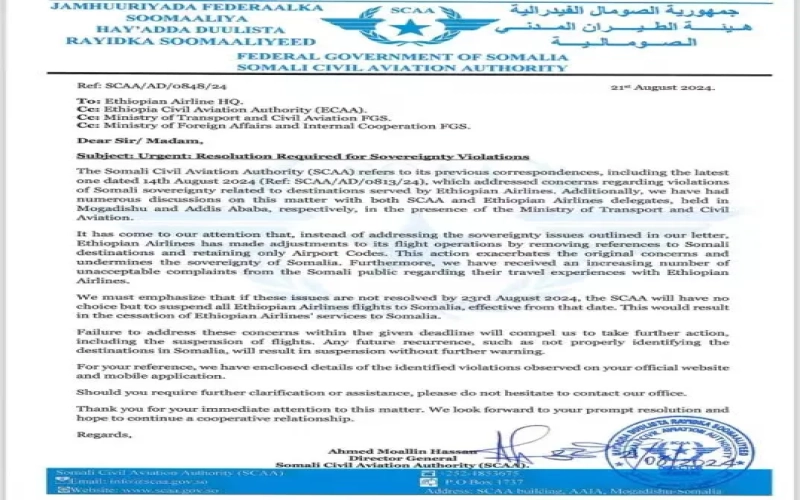
Somalia's civil aviation authority demanded that Ethiopian Airlines make corrections within a deadline on the grounds that the words "Somaliland" appeared on the airline's official website. After being refused, it suspended all Ethiopian flights on August 23. The root of this matter lies in the memorandum of understanding signed between Ethiopia and Somaliland on the use of a port, which has led to continued tension between Somalia and Ethiopia. At the same time, Eritrea also suspended Ethiopian flights, and the peace talks mediated by Turkey have been hindered. Ethiopia's exports of agricultural products such as coffee are highly dependent on neighboring countries' ports. Now that the Port of Djibouti is affected by the Red Sea crisis, and Ethiopia cannot use routes through Somalia and Eritrea, the outlook is worrying. [more…]
Peruvian coffee industry shakes off El Niño shadow, 2024/25 production and exports expected to rise together
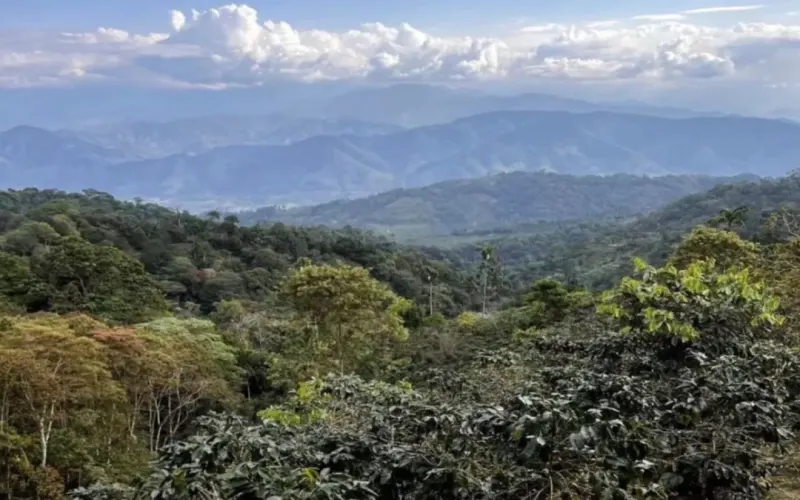
The latest report from the United States Department of Agriculture shows that Peru's coffee industry is gradually emerging from the shadow of El Niño. After facing severe challenges in the first quarter of the 2023/24 fiscal year, production has recovered to 3.95 million bags, achieving a 9% year-on-year increase. Looking ahead to the 2024/25 marketing year, Peru's coffee production and exports are expected to rise by 7% and 6% respectively, reaching 4.22 million bags and 4.07 million bags. International coffee prices remain elevated, encouraging coffee farmers to increase investment in cultivation and fertilizers, injecting momentum into the industry's recovery. Meanwhile, cooperation between Peru and China on the Chancay Port project has made new progress, creating favorable conditions for increased exports of coffee and other agricultural products to China in the future. Front Street Coffee will continue to monitor the origin dynamics and flavor performance of Peruvian coffee. [more…]
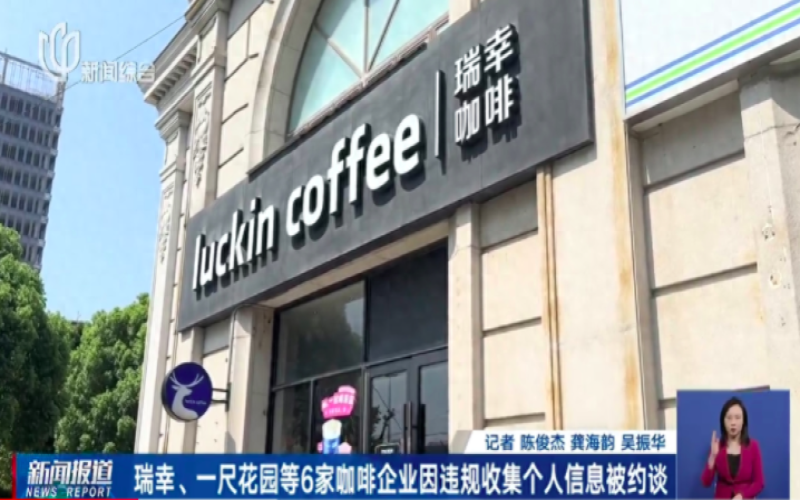
Six chain coffee brands summoned again over personal information violations, privacy compliance rectification remains a long and arduous task
Recently, the Shanghai Cyberspace Administration found during a follow-up inspection that six coffee companies—Luckin, Mstand, COSTA, Pacific Coffee, Nowwa, and Yichi Garden—have still not effectively implemented the requirements of the Personal Information Protection Law, and have problems with illegally collecting consumer information, and were therefore summoned for talks again. This is another concentrated action following the legal education training in May this year for 24 brands including Starbucks and Luckin. A reporter's test found that if users refuse to provide permissions such as precise location, some brands' mini-programs cannot place orders normally. The regulatory authorities said they will continue to carry out "look back" inspections and will file cases, impose penalties, and publicly expose companies that repeatedly refuse to correct their ways. While enjoying the convenience of coffee, consumers also need to pay attention to their own privacy and security. [more…]
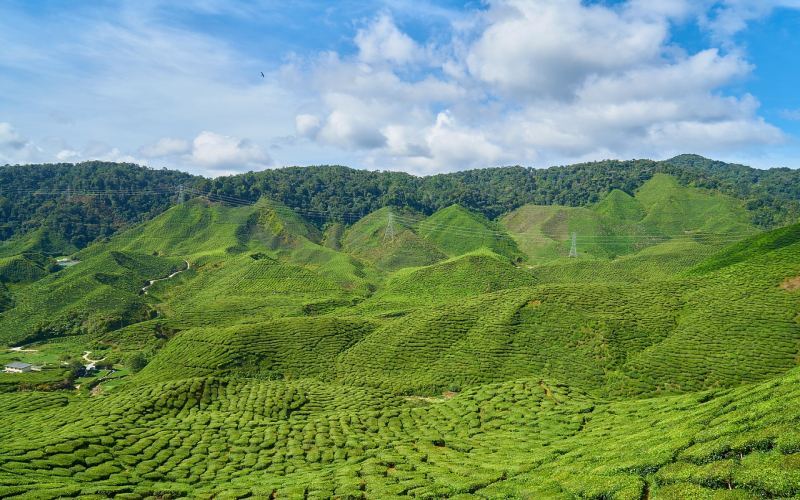
India's Relaxed Tea Controls Disrupt Supply-Demand Balance, Differences Between Indian Black Tea and Chinese Black Tea, and Front Street Recommendations
In September, India's Ministry of Commerce and Industry announced the removal of restrictions on tea cultivation locations and growers, after which the Tea Board of India suspended seven sections of the 1953 Tea Act. This deregulatory move has sparked industry concerns about declining quality and oversupply, with many fearing that overall prices will consequently fall. Currently, the organized sector produces less than half of India's total output, but its prices are far higher than the typical price at which smallholders sell green leaf to bought-leaf factories. Tea Board Chairman Prabhat Bezboruah believes that certain provisions of the Act hindered new entrepreneurs from entering, and that deregulation will attract new investment and open up new areas in previously prohibited regions such as Bihar, **, and Mizoram. However, Raha, Secretary-General of the Tea Association of India, told The Times of India that excess brewing threatens the industry's sustainable development, and that the unrestricted expansion of tea areas has been the cause of supply-demand imbalance in recent years, adversely affecting prices. [more…]
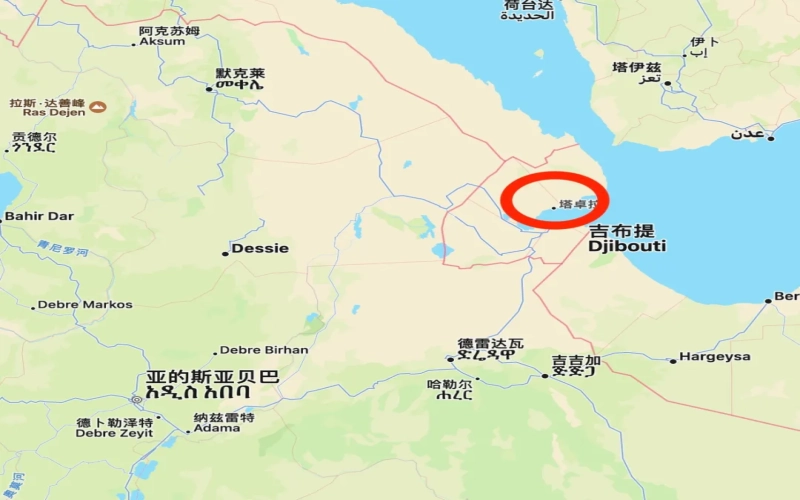
Djibouti Opens Tadjoura Port to Ethiopia—Can Coffee Exports Break Through?
As a landlocked country, Ethiopia has long depended on the Port of Djibouti for its imports and exports. Recently, Djibouti announced that it would grant Ethiopia full management rights over the Port of Tadjoura, a move seen as an opportunity that could ease the difficulties Ethiopia faces in exporting coffee and other agricultural products. However, Ethiopia's relations with Somalia have continued to deteriorate over the Somaliland memorandum of understanding, and the involvement of Egypt and Eritrea has made the situation in the Horn of Africa even more tense. At the same time, armed conflict is spreading within Ethiopia, the currency is depreciating, and coffee export volumes have fallen by 27%, leaving the industry's prospects full of uncertainty. Although the Port of Tadjoura offers a glimmer of hope, the port is still located in the Gulf of Aden, within the range of Houthi attacks, and whether it can truly be effective remains to be seen. [more…]

Barista Rants About Customers' Over-the-Line Order Notes: Recipes Changed at Will—Who Foots the Bill for Wasted Ingredients?
When ordering at a coffee shop, many customers are in the habit of writing personalized requests in the remarks section, from no ice or less ice to adjusting the number of syrup pumps, and these operations are still manageable for baristas. However, when the remarks escalate into requests to add extra ingredients outside the recipe, even down to precise milliliters and spoon counts, coffee workers find themselves in a dilemma. On the one hand, they worry that refusing will lead to a bad review; on the other, they face accountability pressure from material loss. This contradiction is especially prominent in chain brands with strict material controls. This article will take an in-depth look at the real dilemma behind this phenomenon and present the true voices of baristas. [more…]

Luckin Coffee's "Black Myth: Wukong" collaboration crashed its system on the first day, with merchandise selling out instantly and sparking a collective backlash from gamers.
This Monday, Luckin Coffee's collaboration event with the domestic AAA game Black Myth: Wukong officially launched. However, on the first day, issues such as ordering system failures, merchandise selling out instantly, and redemption anomalies pushed it onto Weibo's trending topics. Players stayed up late to wait and got up early to snap up items, only to encounter situations like "sold out," "unable to redeem," and "stores not receiving stock," with complaints flooding social media. Meanwhile, collaboration posters were being resold at high prices on second-hand platforms. Luckin officially responded later that the system had been repaired and issued a restocking notice, with an estimated production cycle of about 15 days. This article reviews the complete process of this collaboration event and consumer feedback. [more…]
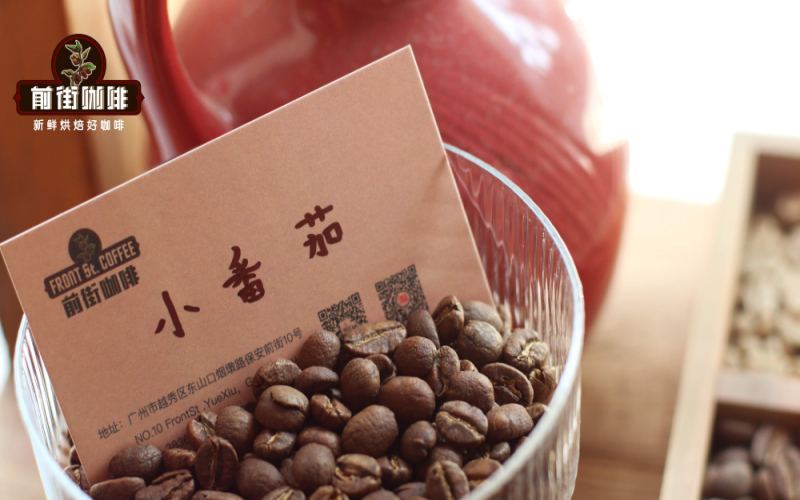
A Complete Guide to Kenyan Coffee Bean Grades: AA, PB, E Explained with a Roasting Log of Ichamama Peaberry
Kenya AA coffee occupies a pivotal position in the global specialty coffee landscape, yet the letter grades surrounding it are often confusing. What exactly do these codes—E, PB, AA, AB, C, TT, T, MH/ML—mean? From the perspective of Front Street Coffee, this article systematically sorts out Kenya's grading system based on raw bean screen size, and takes an in-depth look at a Peaberry from the Ichamama Factory in the Nyeri region, presenting the unique charm of Kenyan PB in full through raw bean information, cooperative background, four-roast comparison experiments, and cupping performance. At the end, it also includes Front Street Kenya Small Tomato AA's brewing parameters and flavor description, offering readers an intuitive AA vs. PB reference. [more…]
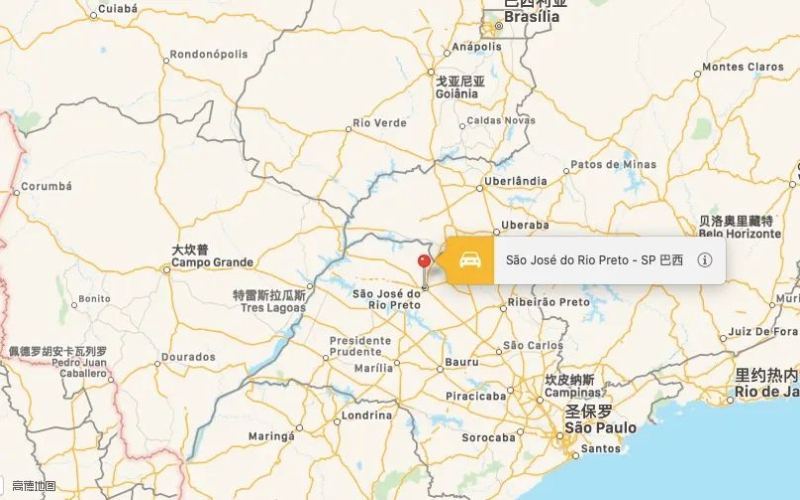
São Paulo State Plans to Transfer IAC Coffee Experimental Station and Germplasm Bank, Sparking Industry Concerns
The São Paulo state government in Brazil plans to sell a 7-hectare plot of land located in the state, which belongs to the Santa Elisa farm of the Campinas Agronomic Institute (IAC). This move has been strongly opposed by the IAC and the São Paulo State Association of Scientific Researchers. The farm hosts one of the world's largest coffee germplasm banks, preserving about 5,000 germplasm accessions, including the world's oldest Arabica coffee population. As one of the oldest agricultural research institutions in the world, the IAC's research achievements underpin 70% of the world's commercial coffee varieties. If the farm is sold, multiple coffee and crop research projects will be forced to halt, with far-reaching impacts on Brazil and the global coffee industry. [more…]
Exploring Costa Rican Coffee: ICAFE Research Institute, Variety Development, and Flavor Analysis of Canet Estate's Mozart
Although Costa Rica has a limited land area, it has become the world's fourteenth-largest coffee-producing country thanks to its fertile volcanic soil and long-term government support. This article traces the journey from the coffee defense institution established in 1933 to today's ICAFE research institute, outlining its role in advancing variety research and industrial upgrading, with a focus on disease-resistant breeding in cooperation with Starbucks and the birth of the Venecia variety. At the same time, the Musician Series Mozart from Canet Estate, which Front Street Coffee has acquired, uses a raisin honey process to present star fruit, berry acidity, and raisin sweetness. This article also shares its V60 brewing parameters and flavor performance. [more…]

Coffee grounds transformed into building material? Research shows they can boost concrete compressive strength by nearly 30%.
Every year, the world produces up to 60 million tons of waste coffee grounds, most of which end up in landfills, where they release carbon dioxide and methane as they decompose—and methane has 21 times the greenhouse effect of carbon dioxide. A research team at RMIT University in Australia tried pyrolyzing coffee grounds to replace part of the sand in concrete, and found that coffee grounds treated at 350 degrees Celsius and mixed into cement at a 15% ratio increased compressive strength by 29.3% compared with the standard formula. This technology not only finds a new outlet for coffee grounds, but can also reduce river sand mining and lower greenhouse gas emissions. However, the research is still at an early stage, and netizens have mixed views on its feasibility. [more…]
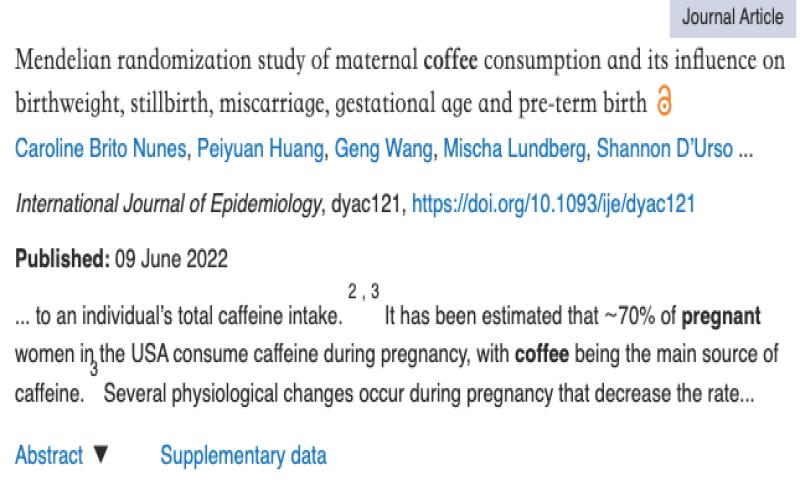
Can You Safely Drink Coffee During Pregnancy? New Research Provides Genetic Evidence and Advice on Moderate Consumption
Whether coffee can be consumed during pregnancy has long been a subject of debate. A team from the Institute for Molecular Bioscience at the University of Queensland published a Mendelian randomization study in the International Journal of Epidemiology, using genetic data to explore the causal relationship between coffee consumption during pregnancy and adverse pregnancy outcomes such as miscarriage, stillbirth, preterm birth, and low infant birth weight. The results suggest that, provided the body's condition allows it, moderate coffee consumption during pregnancy does not necessarily lead to adverse outcomes, but caffeine may still affect fetal development. This article will review the key findings of the study and offer practical advice on coffee consumption and caffeine intake during pregnancy, helping coffee lovers make safer choices. [more…]

Brazil's IAC natural decaf coffee breeding enters a critical validation phase, with promising commercial prospects.
The natural decaffeinated coffee breeding program at Brazil's Campinas Agronomic Institute (IAC), which has spanned more than two decades, has now entered the stage of definitive verification. Researchers are cultivating and screening hybrid coffee plants derived from different varieties, with the goal of developing coffee varieties that are naturally low in caffeine or even caffeine-free without the need for industrial decaffeination. If this breakthrough ultimately comes to fruition, it will profoundly change the commercialization landscape of decaffeinated coffee in major markets such as the United States and Europe. According to forecasts by market research institutions, the global decaffeinated coffee market will reach US$28.86 billion by 2030, with young health-conscious consumers as the main driving force. Front Street Coffee will also continue to follow the subsequent progress of this transformative research. [more…]

What Happens to People Who Drink Iced Americano Coffee Long-Term? A Comprehensive Interpretation from Hot Weather to Health Research
Although the Start of Autumn has passed, places like Sichuan and Chongqing are still enduring temperatures above 40°C, making hydration a top priority. Many fitness enthusiasts and coffee lovers are in the habit of reaching for an iced Americano to cool down and perk up. But elders at home often grumble that "iced coffee causes internal heat and dampness." Is there any basis for these claims? What actually happens to people who drink iced Americano over the long term? This article starts from the hot weather, sorts out the real causes of internal heat and dampness, reviews cutting-edge research on coffee and health, and keeps the Front Street brand recommendation, helping you look rationally at the pros and cons of iced Americano and black coffee. [more…]